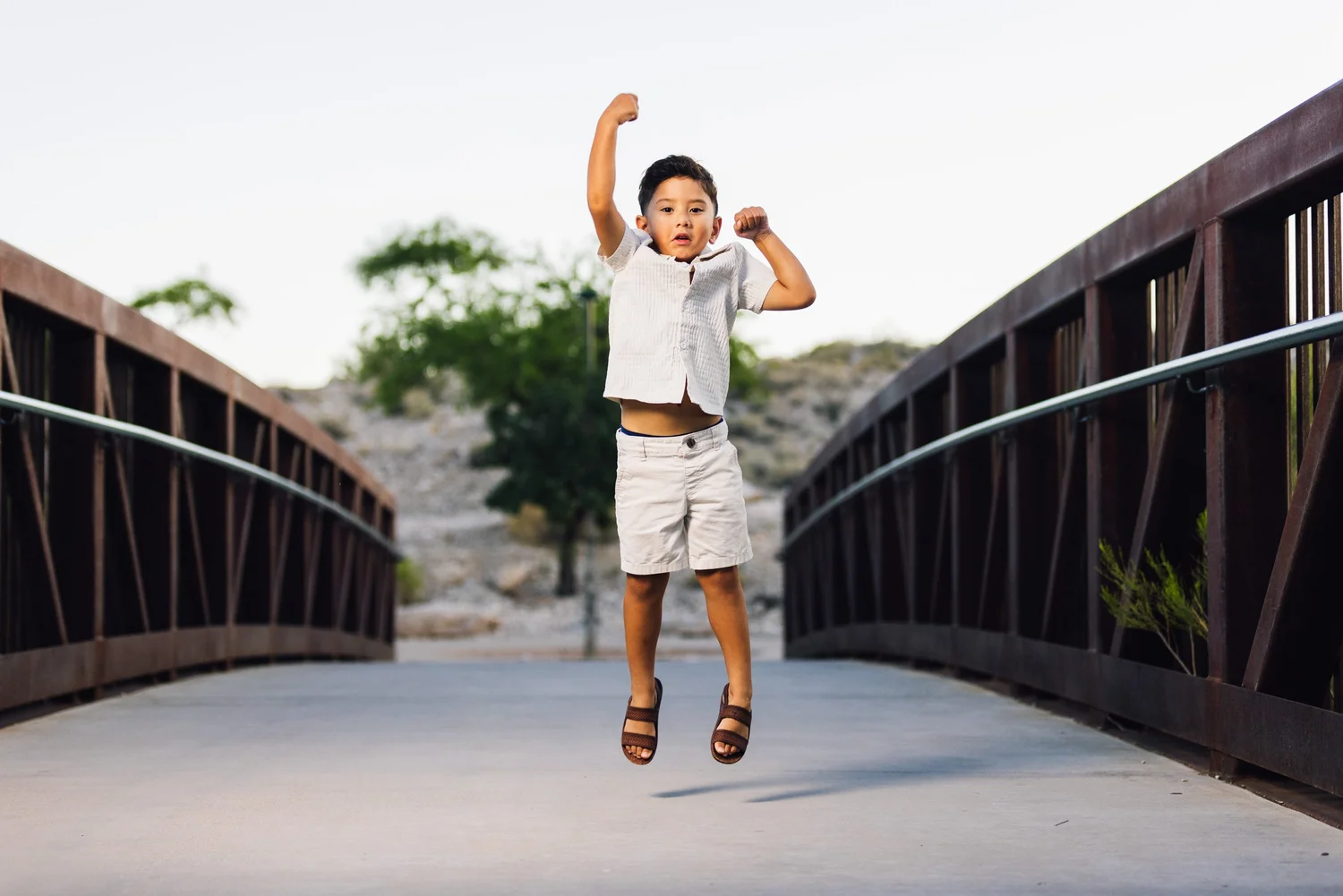
The question I hear every time
One of the first questions parents ask me, usually before we've even picked a location, is whether their kids are going to cooperate. They're picturing a toddler who won't stand still, a child who won't smile, or a teenager who's already decided the camera is a bad idea. I get it. Kids are unpredictable, and it's easy to feel like the whole session rides on them behaving.
In practice, it doesn't work that way. I've watched kids decide that rocks, sticks, or a bug in the grass are way more interesting than the camera, and I've seen the best smile of the day show up thirty seconds after everyone stopped asking for one. I plan around those moments instead of fighting them. The session was never depending on perfect behavior in the first place.
Your part starts before we meet: pick a workable time, bring food and water, and don't turn the photos into a test. None of that guarantees a smooth session, but it gives us a better starting point, and more room to reset when a child needs a break instead of pushing through the hard part.
Five choices that give us a better start
Choose their best window
If your child usually falls apart at 4 p.m., I wouldn't book 4 p.m. just because it's convenient for everyone else. Work around naps, school pickup, or whatever time they normally have the most energy. Starting in a better window gives the child room to warm up instead of spending the first few minutes recovering from being tired.
Keep the explanation simple
Tell them we're going to a park, spending some time together, and taking a few pictures. Keep it light. A kid who thinks we're headed somewhere together shows up differently than one who feels like they're walking into a test.
Bring an ordinary snack
If your child needs crackers, fruit, or whatever they already eat, we pause for it. Keep it familiar and low-mess. It's not magic, but I've watched it turn "I'm done" into "okay, maybe one more." That's often enough to change the rest of the session.
Let comfort win the outfit
Choose clothes they can move in and shoes they already like. An itchy collar, tight waistband, or stiff new shoe will show up on their face long before it shows in a mirror. Comfortable clothes give them one less thing to think about, which leaves more attention for playing, moving, and being with the rest of the family.
Bring one familiar thing
A favorite stuffed animal or familiar toy can stay in my bag and come out when we need a reset. It doesn't need to be in every photograph. Sometimes it only needs to be nearby so the child knows there's something familiar in the plan, which makes it easier for me to ask them to try something new.
What helps, what doesn't
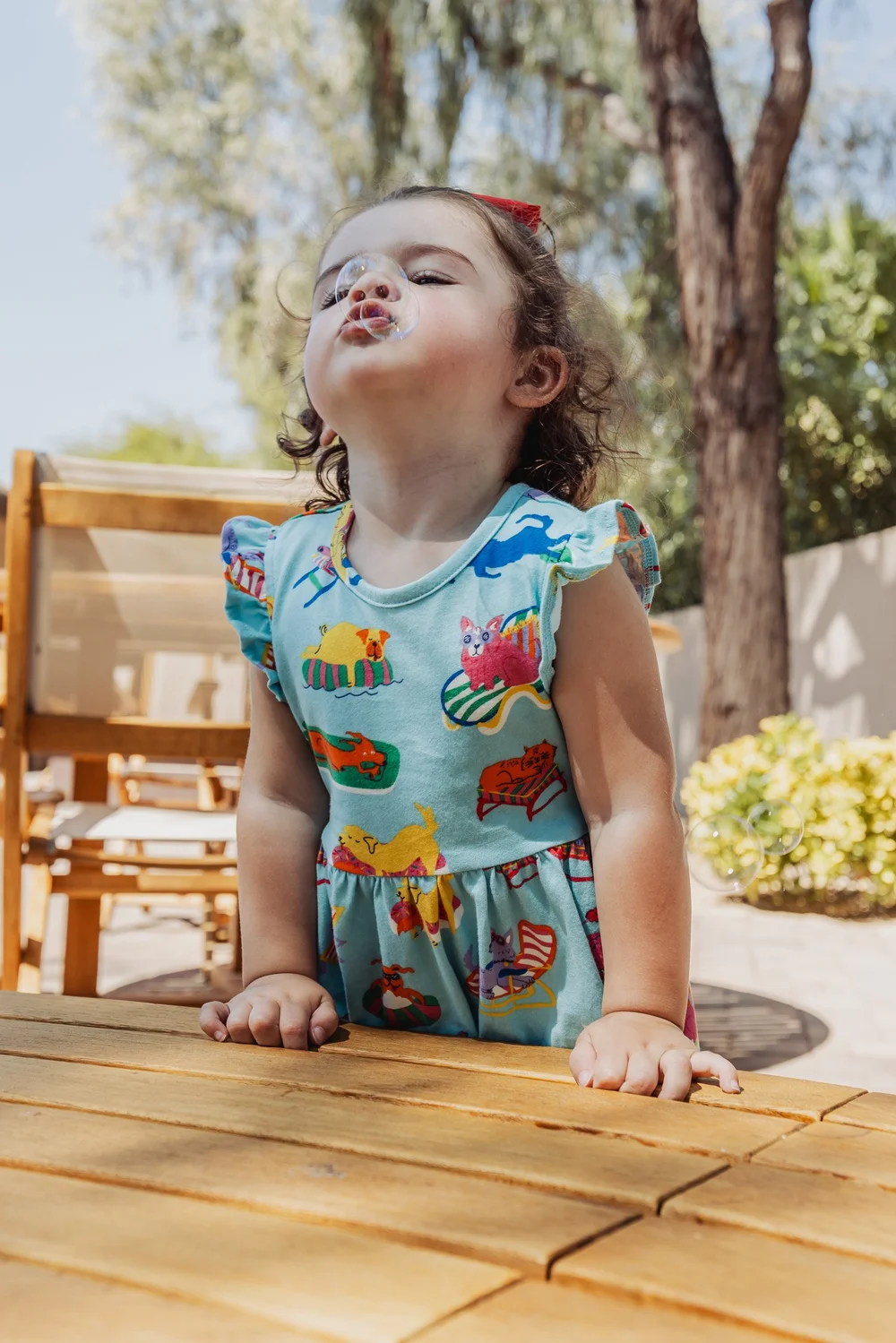
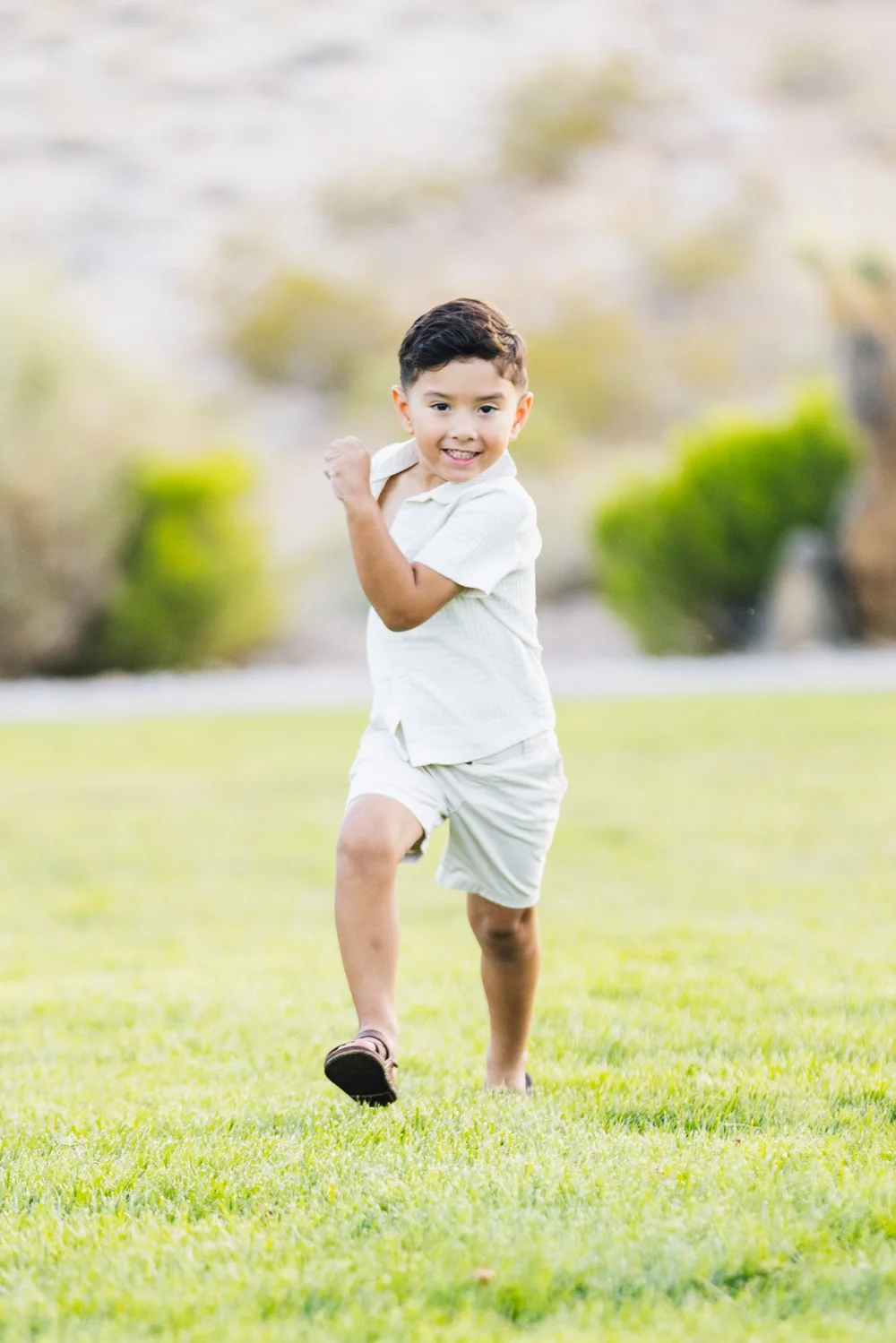
Worth doing
- Get there a few minutes early. Kids notice when the whole family piles out of the car rushed, and that stress follows us into the first few frames.
- Let me do most of the directing once we start. Multiple adults calling out instructions at the same time usually reads to a kid as pressure, not help.
- Keep your own energy calm and a little playful. Kids take their cue from you more than from me, especially early on.
- Let the wiggles happen. Movement and breaks aren't a delay from the real photos, they're usually where the natural expressions come from.
- Praise the effort, not just the perfect smile.
Skip
- Turning a promised prize into the deal for every single photo. It stops feeling like something we're doing together and starts feeling like a negotiation.
- A brand-new sugar-heavy snack right before we start. If you already know how your kid handles a food, that's the one to bring.
- Everyone directing at once. One calm voice is easier for a kid to follow than four.
- Stiff new shoes worn for the first time that day. If they hurt, that's going to show up on their face faster than anything else.
- Threatening to cancel. It raises the pressure fast, and kids feel that even when they don't say anything about it.
Prep by age
Age changes the kind of direction that works. A toddler and a teenager need different things from me, and neither one is a small adult.
Follow, don't force
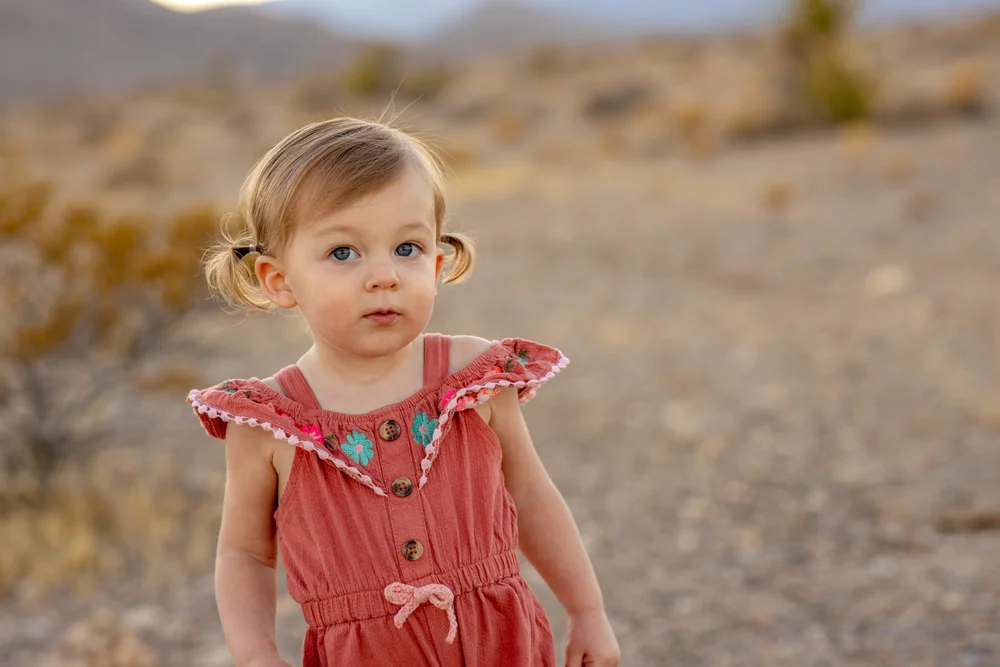
Toddlers aren't going to pose on command, and I've stopped expecting them to. If a rock or a patch of dirt wins out over my camera, that's fine, I work with it. We keep moving, take breaks when we need them, and I photograph what happens between the wiggles. A snack and a familiar toy help. Patience helps more.
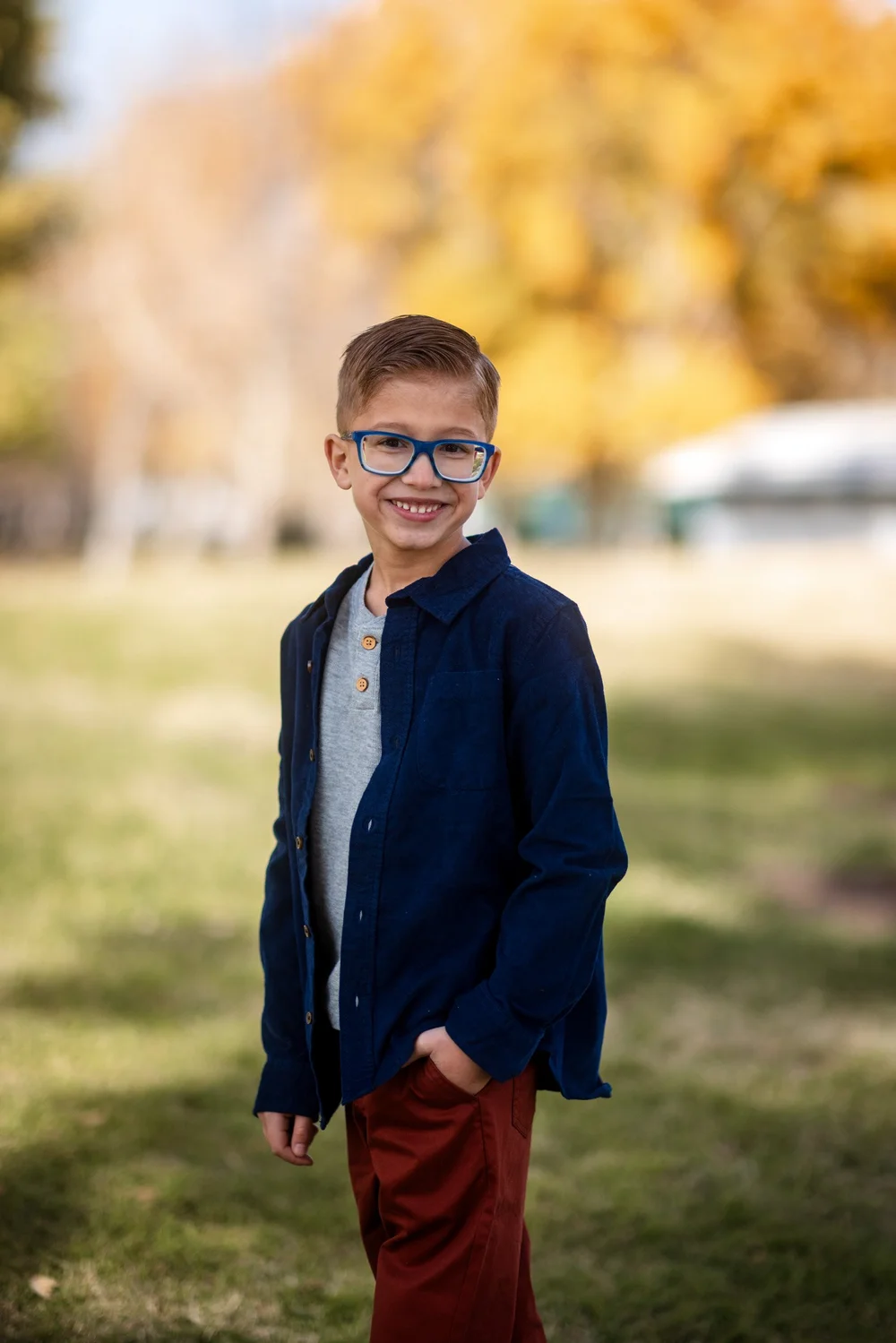
Give them a job
This age does better with something to do than something to wait for. I'll hand them a small mission, ask them to lead the family to the next spot, or give them a joke to react to. It gives the smile a reason to show up, and that's usually an easier find than the one I'd get by just asking for it.
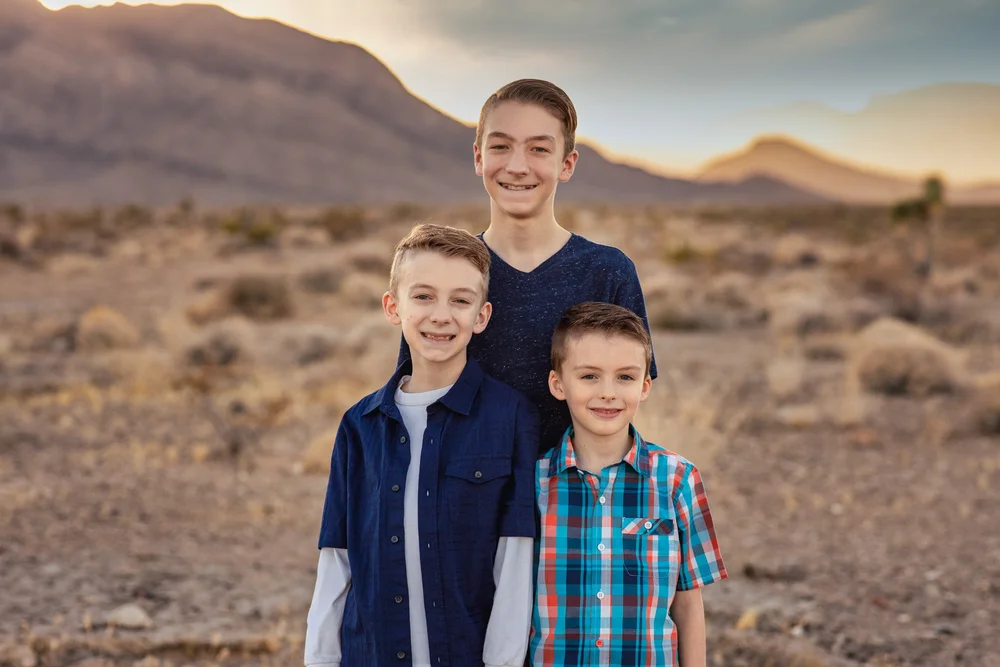
Respect the eye-roll
Older kids know exactly when something feels fake, so I keep the direction low-key and let them bring their own attitude into it. They might still roll their eyes at me. That's fine. We can get good photographs without them pretending to be somewhere else or acting thrilled about every part of the process.
Every family is different, and every session unfolds a little differently. Some are smooth from the first frame. Others need a snack, a walk, or ten minutes where we don't take pictures at all. That tells me something useful about how to run the rest of the session, not that it's going badly. My job is to work with the child who's actually there, whether they're shy, restless, curious about every rock in the park, or simply having an off day, and adjust the plan around them instead of pushing them into a version of the session they're not ready for.
If you want to see how I work, take a look at recent family sessions in my portfolio, or review the current session details and choose a time that fits your family.