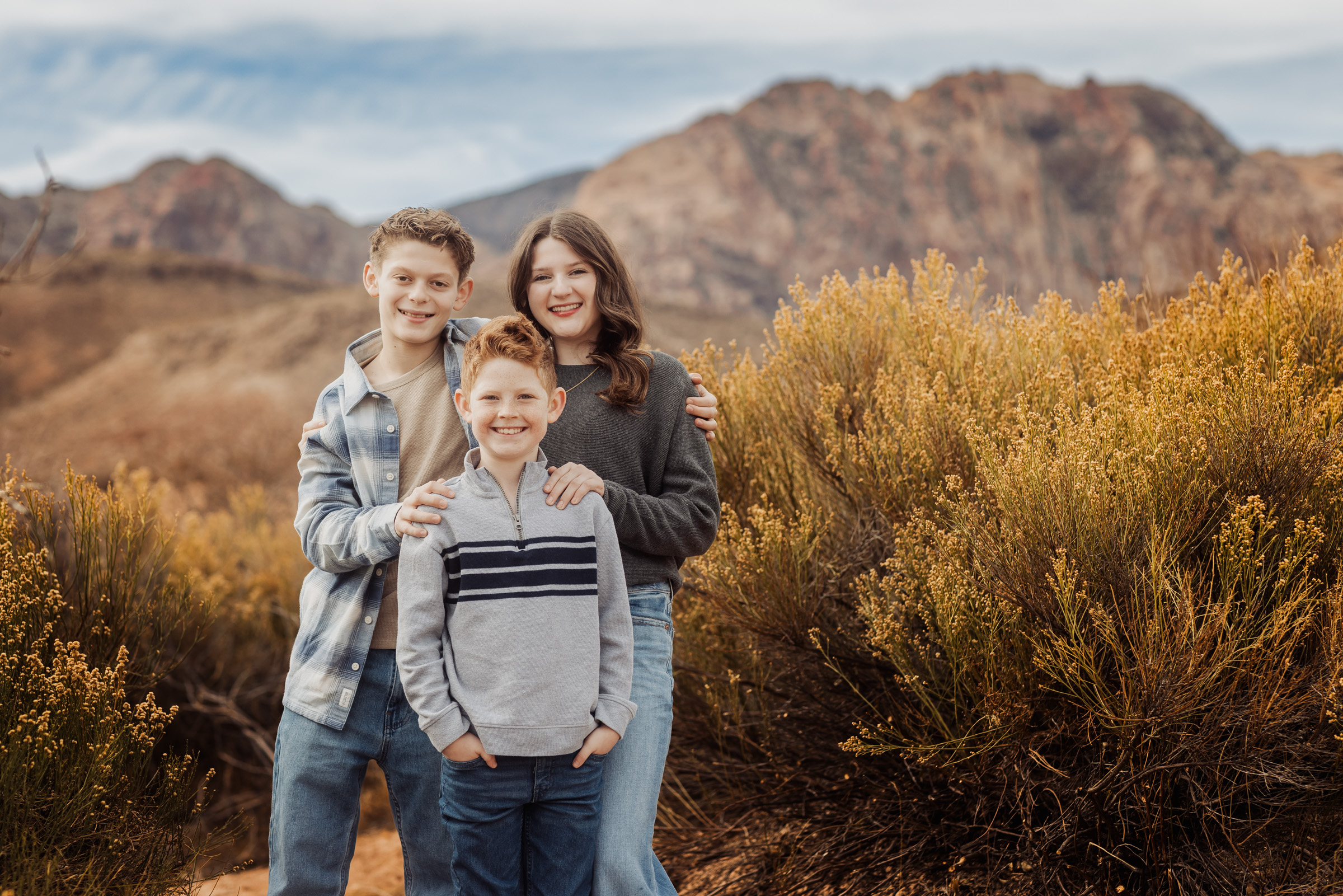
What's in My Bag for Fall 2026
The small camera kit I actually use when a busy weekend means moving quickly and paying attention to the people in front of me.
Watch the full video
This is the Fall 2026 video that the article is based on. I go through the kit, the tradeoffs, and what I actually carry to a busy weekend of sessions.
The short version: less gear
Going into the busiest season of the year, I wanted to show you what is actually in my camera bag.
I normally do about a dozen shoots over a weekend, mostly outdoors in natural light, so the goal is not to carry every piece of gear I own. The goal is to have the things that make the work easier.
That has meant reducing the kit quite a bit over the years. For most family sessions, I am carrying two lenses, a battery grip, filters, extra batteries and cards, and one bag that lets me move around without thinking about the gear too much.
My two everyday lenses
The first lens is the Canon 24-70mm f/2.8. This is my workhorse lens. I shoot Canon, but the idea applies to any camera system. A lens in this range gives me enough flexibility for groups, family sessions, and situations where I do not have much room to move.
I use it on a Canon R5 and an R6 Mark II. The lens has image stabilization, and those cameras also have in-body stabilization that can work with it. It has an 82mm filter thread, a control ring, and a locking zoom ring. Those details are not the reason I use it, but they are useful when I am working quickly.
The other lens I bring to almost every shoot is the Canon EF 85mm f/1.4. This is the lens I reach for most when I am photographing headshots, portraits, couples, or maternity sessions. It gives me a different look from the 24-70mm, and there are plenty of days when I would be happy putting it on the camera and working with it all day.
The tradeoff is space. With an 85mm lens, you sometimes need to back up quite a bit, which is not always possible with a large group, a tight location, or a cliff edge behind you. It is also a big, heavy lens, and its minimum focusing distance is not perfect. That said, the image stabilization and autofocus are still very good for the way I use it, so I have not replaced it with the newer RF version.
Why I carry a circular polarizer
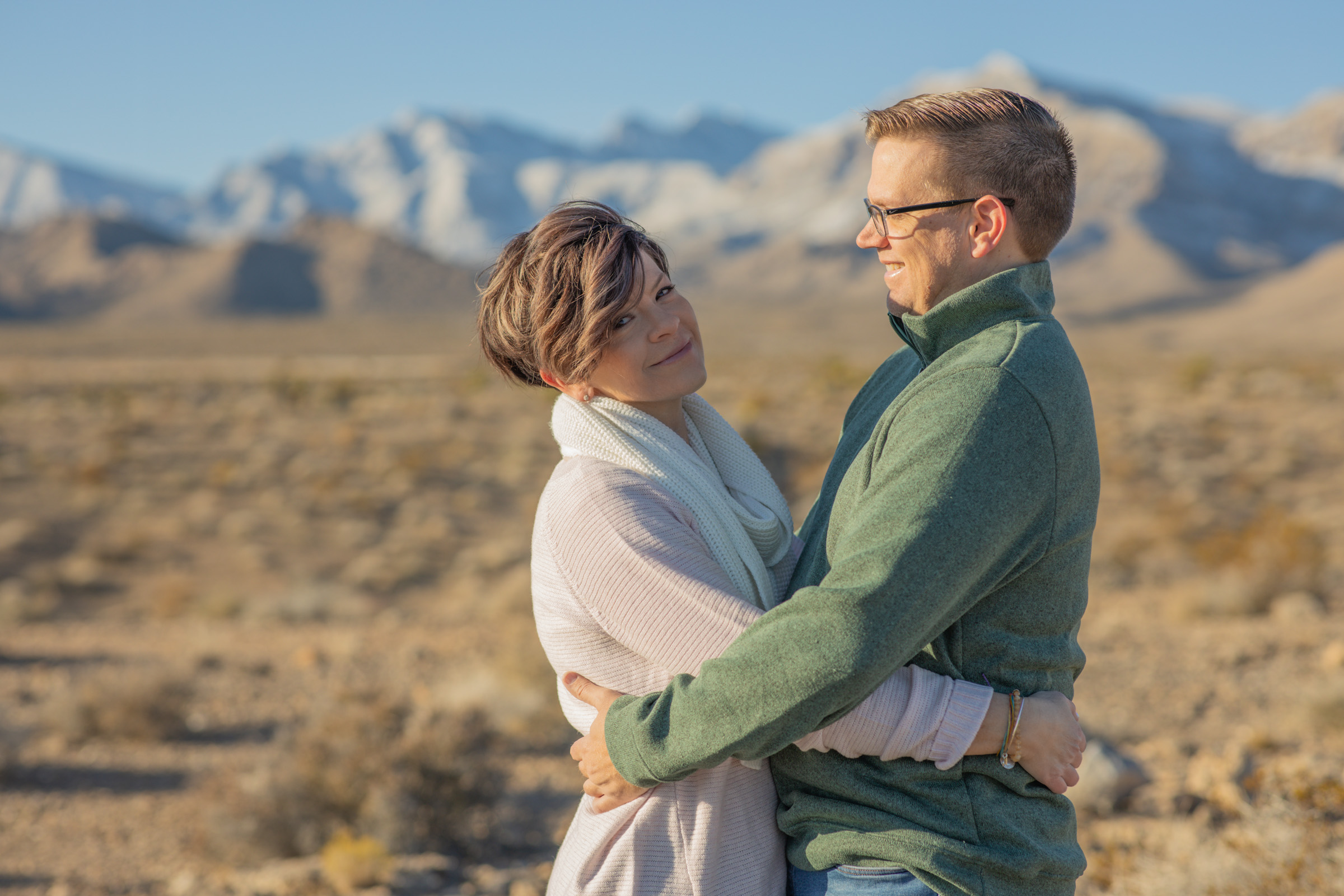
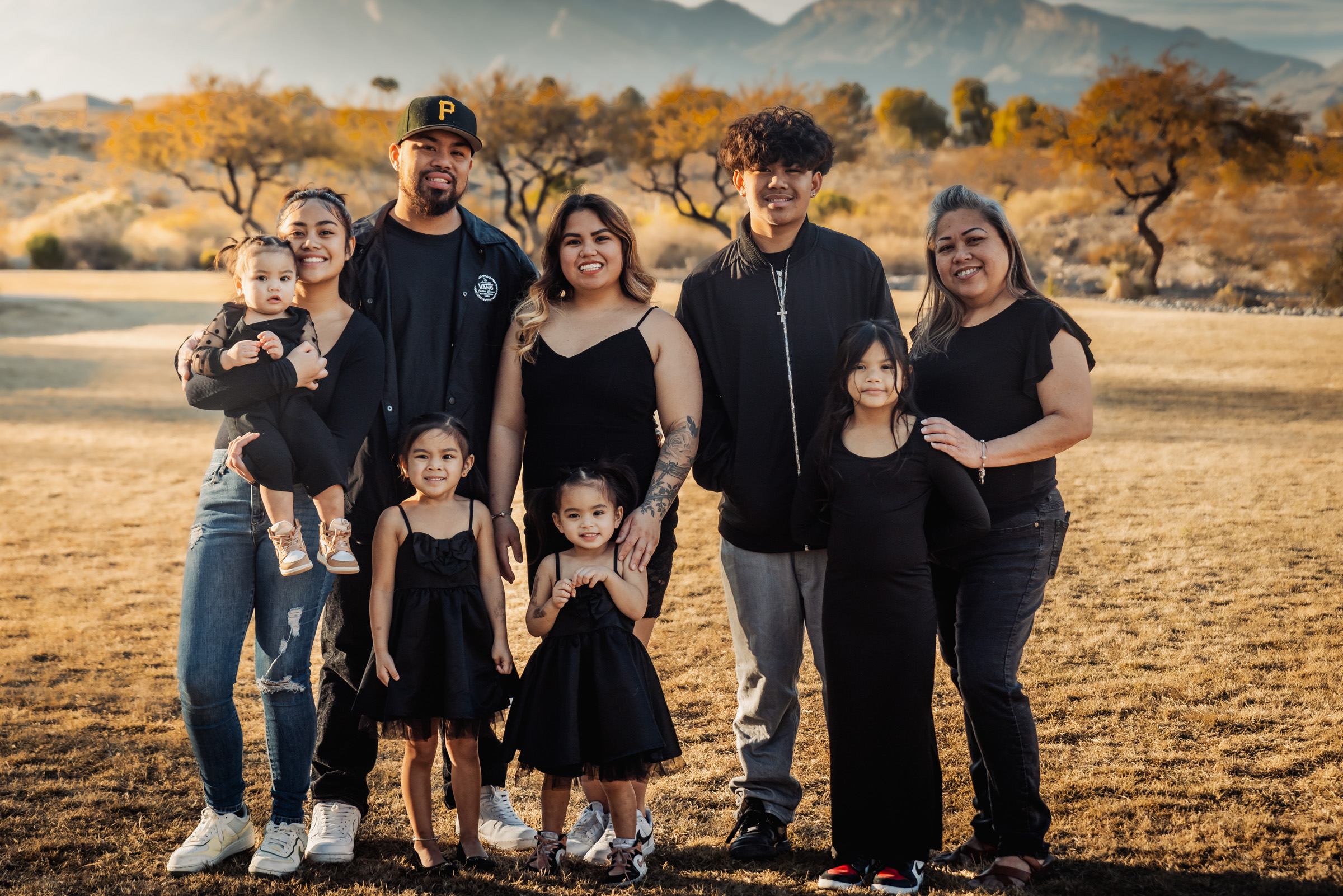
I do not use a lot of filters, but I use a circular polarizer more than anything else. When you are booking a full day of clients, you cannot simply remove the middle of the day from the schedule because the light is harsh. You cannot always find shade, either.
A circular polarizer can cut some of the reflected light and help with sheen and shine on skin. It does not turn difficult midday light into perfect light, but it gives me another option when the conditions are not ideal. I also sometimes use a diffusion filter when I want a little more glow and a softer, dreamier look.
The magnetic filter system makes those changes fast. I use an 82mm circular polarizer with a magnetic step-up converter, so I can move it between lenses more easily and still use the magnetic cap. That kind of small convenience matters when I am moving from one session to the next.
The battery grip is also an ergonomic tool
I am not going to tell you to buy extra batteries or memory cards. You should have those, and you should check them periodically. They are part of being ready to work.
The battery grip is a little different. On the R5, I use a Neewer battery grip instead of paying several times more for the Canon version. I paid for this one myself, and the build quality has been very good for me.
The obvious benefit is that it holds two batteries. The quieter benefit is the way it changes how the camera feels in my hand. I have arthritis in my shoulder, and holding a camera in awkward positions all day can become painful. The grip gives me a more comfortable way to work, while the second battery gives me more power before I need to stop and change it.
That is the kind of gear decision I tend to make now. It is not only about a feature list. It is about whether the item makes a long shooting day more manageable.
The bags I actually use
When I am carrying everything, I use a Peak Design travel backpack. It is large, about 45 liters, and it can hold my cameras, lenses, and other equipment. It is useful when I need the full kit, although the zippers are a separate conversation.
Most of the time, I am carrying less than that. The bag I reach for most often is the Nomatic Peter McKinnon Sling. Nomatic gave me this bag as a review unit at CES, so I want to be clear about that. I like it because it is quick to use and makes it easier to move around during a session. The downside is that it is expensive, somewhere in the two-to-three-hundred-dollar range when I recorded the video, so check the current price before buying.
I also have a smaller K&F bag. This was sent to me as well. It is a good, much less expensive option, and it can be found for under $50 depending on the current listing. It is not as roomy. With the camera grip and both lenses, it gets difficult quickly. But if I want to carry the camera with the 24-70mm, batteries, and filters, it works well.
It also has straps for a tripod, although I do not normally bring a tripod to portrait sessions. That is just not how I tend to work.
The kit is smaller because the work is bigger than the gear
For a typical weekend of family sessions, I am not carrying a flash unless I know I will be working around a particular light source or intentionally overpowering the sun. That is a more specialized session.
For the usual outdoor work, I have the filters, batteries, cards, grip, two lenses, and one bag. That is about it.
The images are not made by the bag alone. They come from getting clients comfortable, giving them things to do with their family, and paying attention to what is happening in front of the camera. Holding hands, playing together, and doing something simple like ring around the rosy can matter more to the final images than whether I brought three extra lenses.
So I have minimized what I carry considerably. It makes it easier to move through a location, easier to change lenses, and easier to concentrate on the people I am photographing. We will see what the kit looks like next season. I may be down to one lens by then.
My usual outdoor kit
- Canon 24-70mm f/2.8
- Canon EF 85mm f/1.4
- 82mm circular polarizer and magnetic step-up converter
- Diffusion filter when I want a softer look
- Battery grip, extra batteries, and memory cards
- One bag that fits the session instead of every piece of gear I own
This article is based on my Fall 2026 video, “What's in My Bag for Fall 2026.” None of the products discussed were sponsored for the video, but some items were provided as review units, and gear links may include affiliate links. Those links help support the channel.
If you are interested in booking a session, sessions are open at jblake.photo/book. Check the current product listings and the video description for gear links before purchasing.
Behind the Scenes · Photo Sessions · Photography Tips ·