A seasonal Las Vegas portrait guide
What Is the Best Time of Day for Outdoor Portraits in Las Vegas?
The best light is usually within the first hour after sunrise or the last 60–90 minutes before sunset. In summer, sunrise is often the most comfortable choice; in winter, I usually begin 60–90 minutes before sunset.
The short answer: plan around the edges of the day
Las Vegas gives us abundant sunshine, but more sun does not automatically mean better portraits. Around midday, the light comes from almost directly overhead. That creates deep shadows under the eyes, bright highlights on skin, and a lot of squinting.
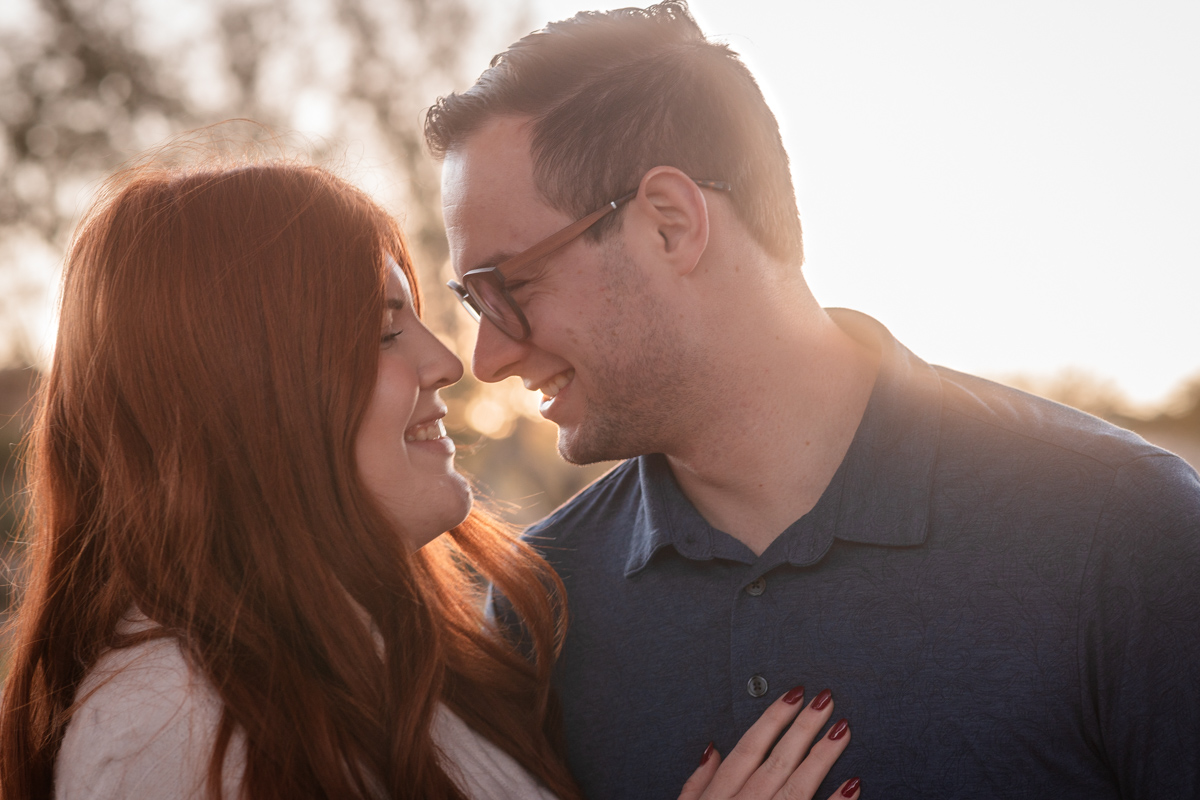
Near sunrise and sunset, the sun sits lower in the sky. The light is softer, warmer, and easier to shape around a face. It also gives the desert depth instead of flattening every rock and mountain into the same bright tone.
That is the visual reason for scheduling near golden hour. The practical reason is just as important: people look more relaxed when they are not fighting heat and glare. Children can move, camera-shy adults can settle in, and we have room to create natural expressions instead of rushing through the session.
Summer sessions
Best comfort: shortly after sunriseSunrise usually offers the coolest temperature, calmer air, and fewer people. It is my first choice for young children, maternity portraits, pets, and anyone sensitive to heat.
Evening option: 60–75 minutes before sunsetEvening can look beautiful, but the ground and air may still be holding the day’s heat. I use it selectively, choose the location carefully, and avoid asking clients to treat an extreme-heat evening like ordinary portrait weather.
November through FebruaryWinter sessions
Best balance: 60–90 minutes before sunsetWinter sunset light is gentle and flattering, while an earlier start gives us useful warmth before the sun disappears. Desert temperatures can drop quickly once it does.
Morning option: 1–2 hours after sunriseUnlike summer, we do not always need to meet at first light. Letting the sun rise a little higher can make a cold morning much more comfortable while still avoiding harsh midday light.
What changes in spring and fall?
March through May and October into early November are the flexible months. Temperatures are usually friendlier, so sunset is often the easiest choice for families. I generally start about 75–90 minutes before sunset, then adjust for the exact location.
These seasons can also bring strong wind. A clear sky does not guarantee a comfortable session, particularly in open desert areas. I watch the hourly forecast—not just the daily high—and may shift the start time or location when wind will make hair, dresses, or a small child uncomfortable.
Why the location changes the clock
“Sunset is at 6:30” does not mean useful light lasts until 6:30 everywhere. Red Rock’s mountains can block direct light before the published sunset. Floyd Lamb Park and Tule Springs have trees and structures that create shade earlier. A neighborhood park may be surrounded by homes, while an open desert location stays bright almost to the horizon.
I plan from the light at the actual portrait spot, not from a generic sunset time. That can move the meeting time by 20 or 30 minutes—enough to be the difference between glowing light and arriving after it has slipped behind a ridge.
Red Rock and open desert
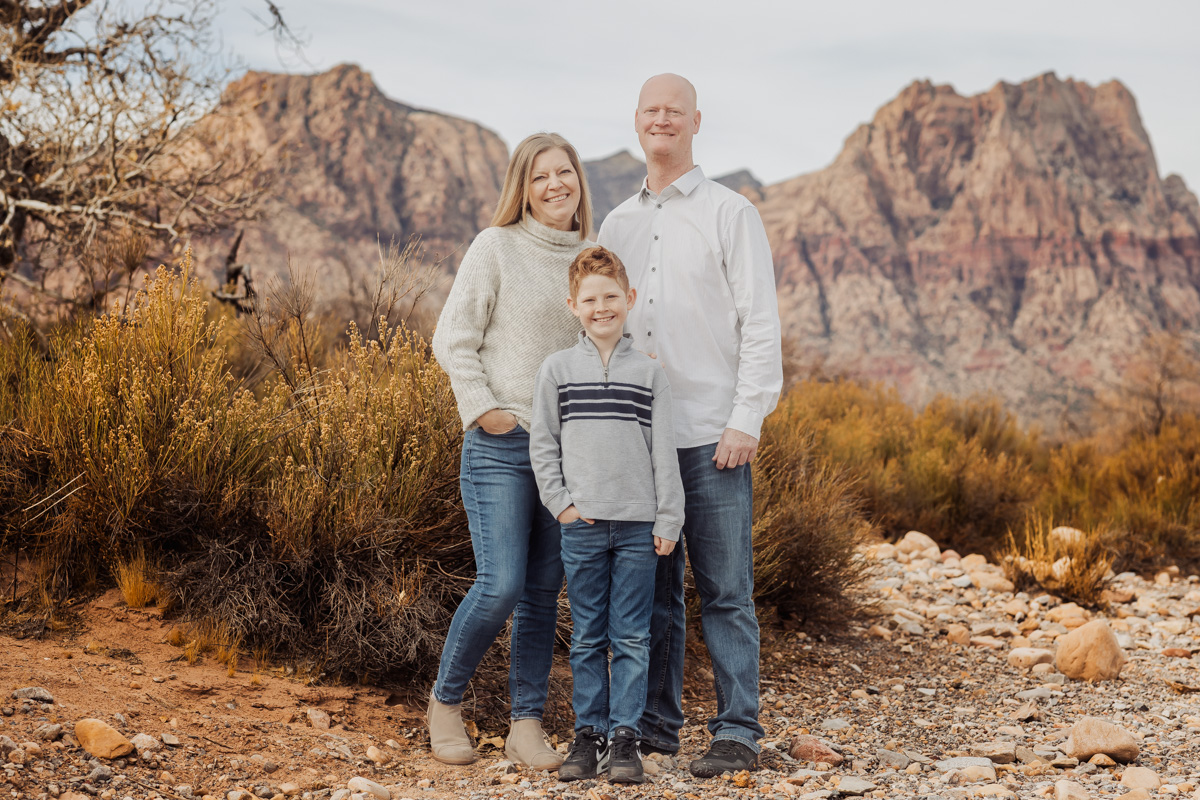
Open desert usually looks strongest late in the day, when the low sun reveals texture in the mountains and brush. Some Red Rock viewpoints lose direct light early because of the surrounding terrain, so I build in time rather than planning to begin at sunset itself.
Floyd Lamb Park and greener locations
Trees provide useful shade, which can let us start a little earlier than we would in open desert. The tradeoff is that the light also disappears sooner behind foliage. For families with young children, that earlier window can be a lovely compromise.
Downtown Las Vegas
Buildings create shade long before sunset, and reflected light can be surprisingly flattering. A downtown portrait session may begin earlier, especially when the goal is an urban look rather than a visible sunset.
Sunrise or sunset: which should you choose?
Choose sunrise for cooler temperatures and quieter public spaces. Choose sunset when an early start would disrupt young children’s sleep or your group’s schedule.
- Choose sunrise for the coolest summer conditions, quieter locations, toddlers who wake early, or a session on the Las Vegas Strip before it becomes busy.
- Choose sunset when your family needs more preparation time, when evening fits a child’s normal rhythm, or when you want the warmest color near the horizon.
- Choose open shade when the schedule cannot move. A shaded urban area, tree-lined park, or covered setting is far more forgiving than placing everyone in direct midday sun.
Parents often worry that a sunset session will collide with bedtime. That is a real consideration, especially during Las Vegas summers when sunset is late. In that case I may suggest sunrise, a shaded earlier location, or a different season. A beautiful hour is not useful if a tired child has already run out of patience.
Is midday ever a good time for portraits?
It can work, but it needs the right environment. Midday is reasonable for headshots in consistent open shade, portraits beside a light-colored building that reflects soft light, or an indoor location with large windows. It is rarely my first choice for an exposed desert family session.
If noon is the only time everyone is available, I do not try to make a sunny field behave like golden hour. I choose architecture, shade, and camera angles that suit the light we actually have. Good planning matters more than pretending every location works at every hour.
Questions about portrait timing
How long before sunset should outdoor portraits start?
I start most Las Vegas outdoor portraits 60–90 minutes before sunset. At mountain- or building-shadowed locations, I use the earlier end of that range.
What time should a summer photo session begin?
For comfort, shortly after sunrise is usually best. If evening is more practical, I typically begin 60–75 minutes before sunset and only when the forecast and location make an outdoor session sensible.
What time should a winter photo session begin?
About 60–90 minutes before sunset is a strong starting point. Winter light is softer, but temperatures fall quickly after sunset, so I avoid beginning too late.
What if the day is cloudy?
Clouds soften the light and may let us begin earlier, but they can also make a winter session feel colder or cause daylight to fade sooner. I adjust the plan based on the hourly conditions rather than changing it automatically.
Can young children handle a golden-hour session?
Usually, with the right timing. I consider naps, meals, and bedtime before choosing sunrise or sunset. A shorter, well-timed session is more productive than keeping a tired child out for the last possible bit of light.
Do I need to calculate the start time myself?
No. Once we choose a date and location, I recommend a start time based on the season, landscape, and people in your group. You only need to arrive ready to enjoy the session.
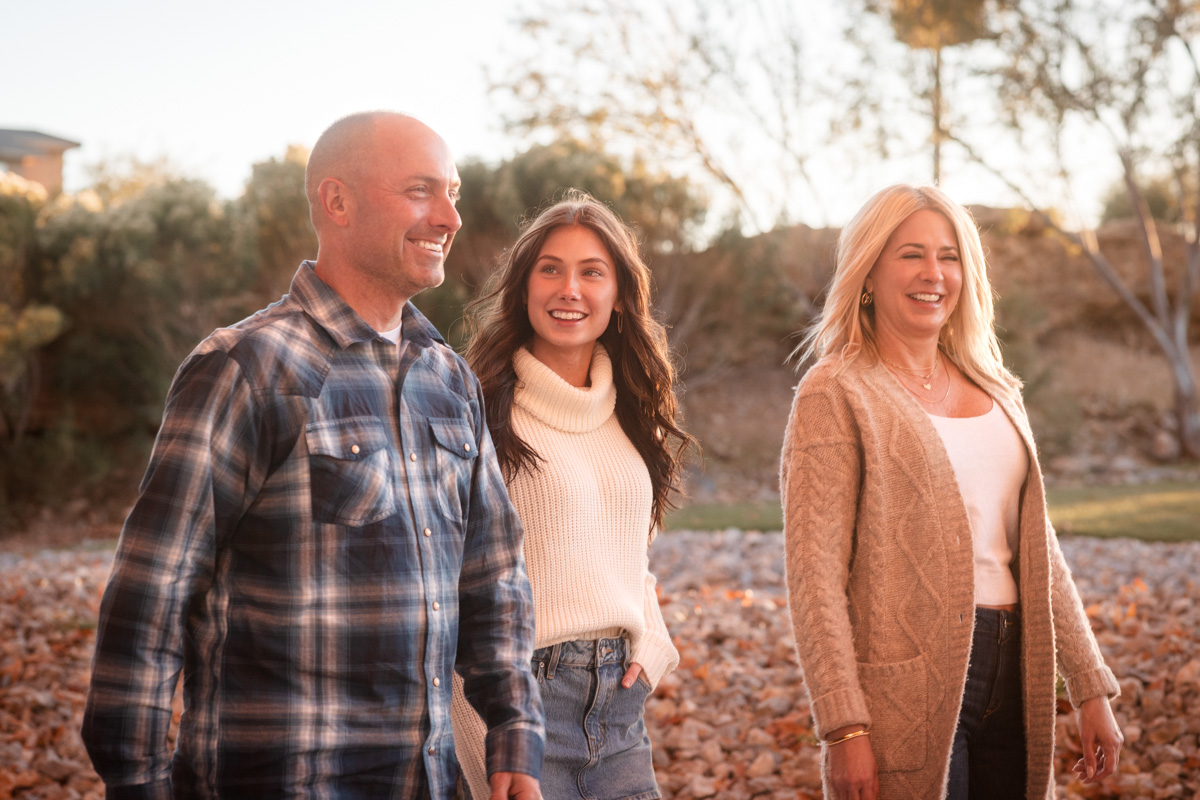
Let’s choose the light that works for your people.
I will help you choose a location and start time that suits the season, the look you want, and the people coming with you. You can see more natural outdoor work in my portrait photography portfolio.
Book your session now·