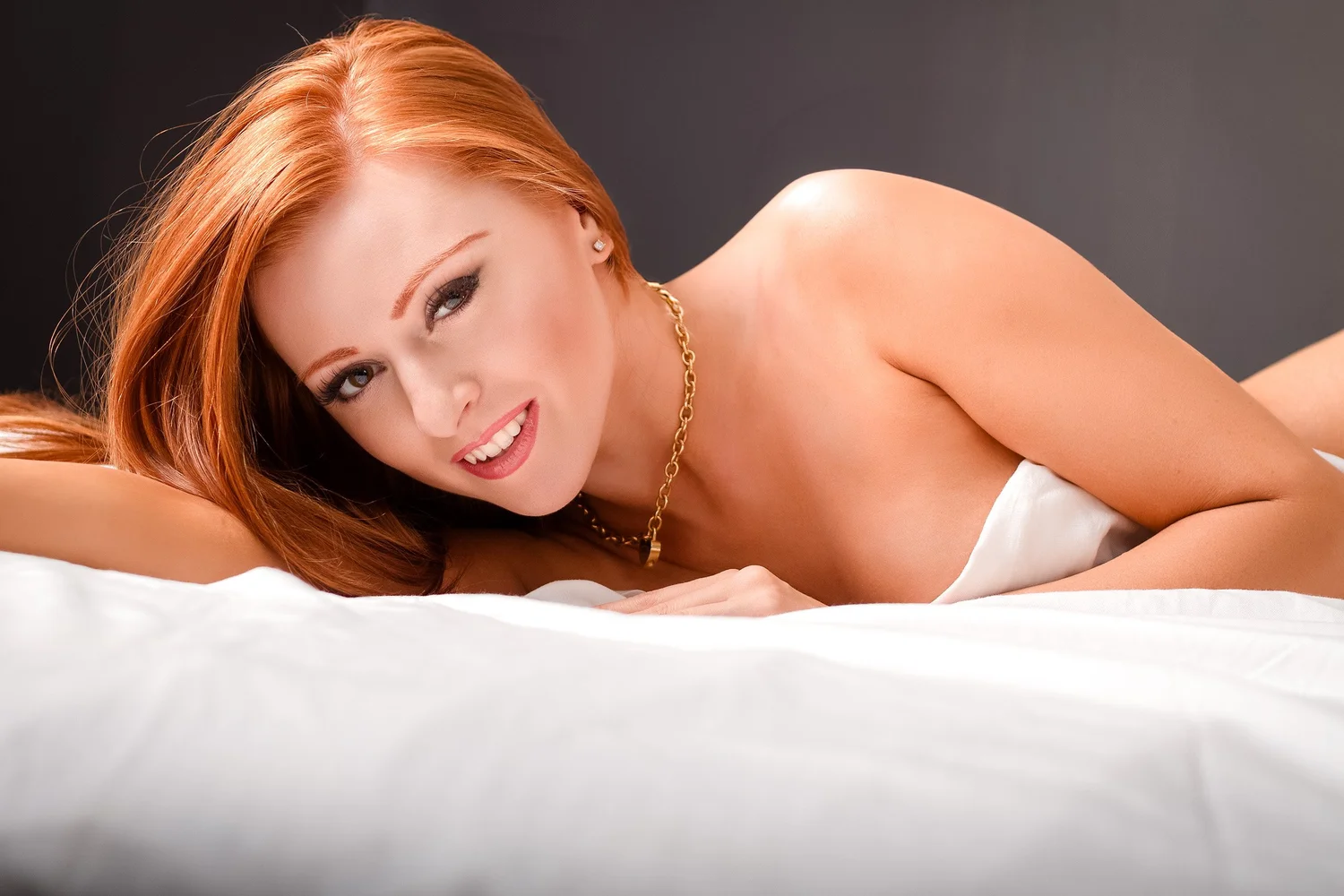
You do not have to arrive already feeling confident
Most people are a little nervous before a boudoir session. That is normal. You are stepping into an unfamiliar experience, wearing less than you usually would in front of a camera, and trusting someone else to guide the process.
My job is not to expect confidence from you at the door. It is to create a calm structure where confidence has room to show up. We begin slowly, talk through the plan, and build from simple poses into anything more expressive. Nothing needs to happen all at once.
You will receive direction throughout the session. I will explain where to place your hands, how to shift your weight, where to look, and how small changes affect the photograph. You will never be left alone in front of the lens wondering what to do.
Before the session: planning without overthinking it
We start with a conversation about the photographs you are drawn to and the boundaries that matter to you. Some clients want soft, understated portraits. Others prefer a bolder, more editorial look. You might want to celebrate a milestone, create a personal gift, reconnect with yourself, or simply try something outside your comfort zone. There is no required reason.
This is also the right time to mention anything that affects your comfort: areas you would rather not emphasize, poses or wardrobe you do not want, mobility concerns, or how much skin you are comfortable showing. Those details help me plan better. They are not things you need to apologize for.
We will also discuss the setting. A studio, in-home space, or styled hotel room each creates a different atmosphere and offers different levels of privacy, wardrobe access, and background variety. The best choice is the one where you can relax, not simply the one that looks most dramatic online.
Plan the feeling
We talk through style, setting, wardrobe ideas, boundaries, and the kind of photographs you want to make.
Build gradually
We begin with comfortable poses and clear direction, then adjust the pace based on how you feel.
Review privately
Your finished photographs are delivered through a personal digital gallery for you to view on your own terms.
Choosing boudoir wardrobe that feels like you
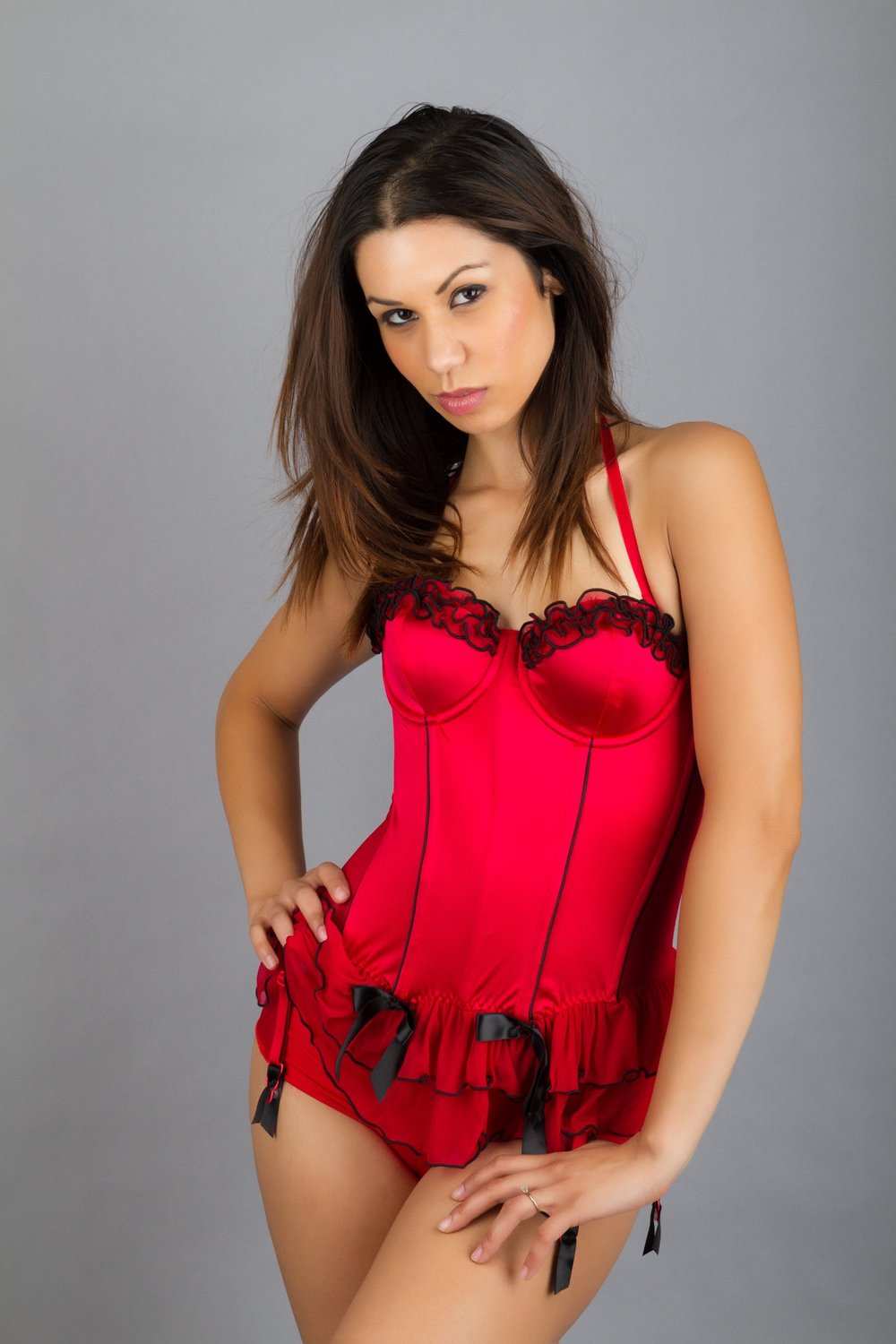
You do not need to buy an entirely new wardrobe. The strongest choices are usually pieces that fit well, stay in place, and make you feel recognizable to yourself. Lingerie can work beautifully, but it is only one option. A bodysuit, slip, robe, oversized button-down, fitted tank, favorite sweater, simple sheet, or a well-cut jacket can all photograph well.
Bring a small group of options rather than one item carrying the entire session. Variety gives us room to respond to the light and the setting. It also removes pressure if something that looked right at home needs constant adjustment on camera.
A practical wardrobe edit
- Choose pieces that fit comfortably today, not items you hope will behave differently on session day.
- Bring one simple option, one textured option, and one layer such as a robe, shirt, or jacket.
- Check straps, closures, and hems while sitting, standing, and moving.
- Remove store tags and steam anything that wrinkles easily.
- Bring neutral undergarments for changing and a loose layer for arriving and leaving.
- Keep accessories intentional. One meaningful necklace or pair of earrings is often enough.
What happens when you arrive
We do not begin by immediately taking photographs. First, we walk through the space and look at the wardrobe you brought. We decide what to start with, where you can change, and which parts of the room will photograph best. You can ask questions, make adjustments, and settle in.
I usually recommend beginning with an outfit that feels secure and easy to move in. Starting there gives you time to learn how I direct poses and how the camera responds to small movements. If you brought more revealing options, we can save them for later, once the rhythm feels familiar. You are always free to keep, change, or skip an idea.
There is no prize for rushing. A few minutes spent getting comfortable at the beginning often makes the rest of the session more natural.
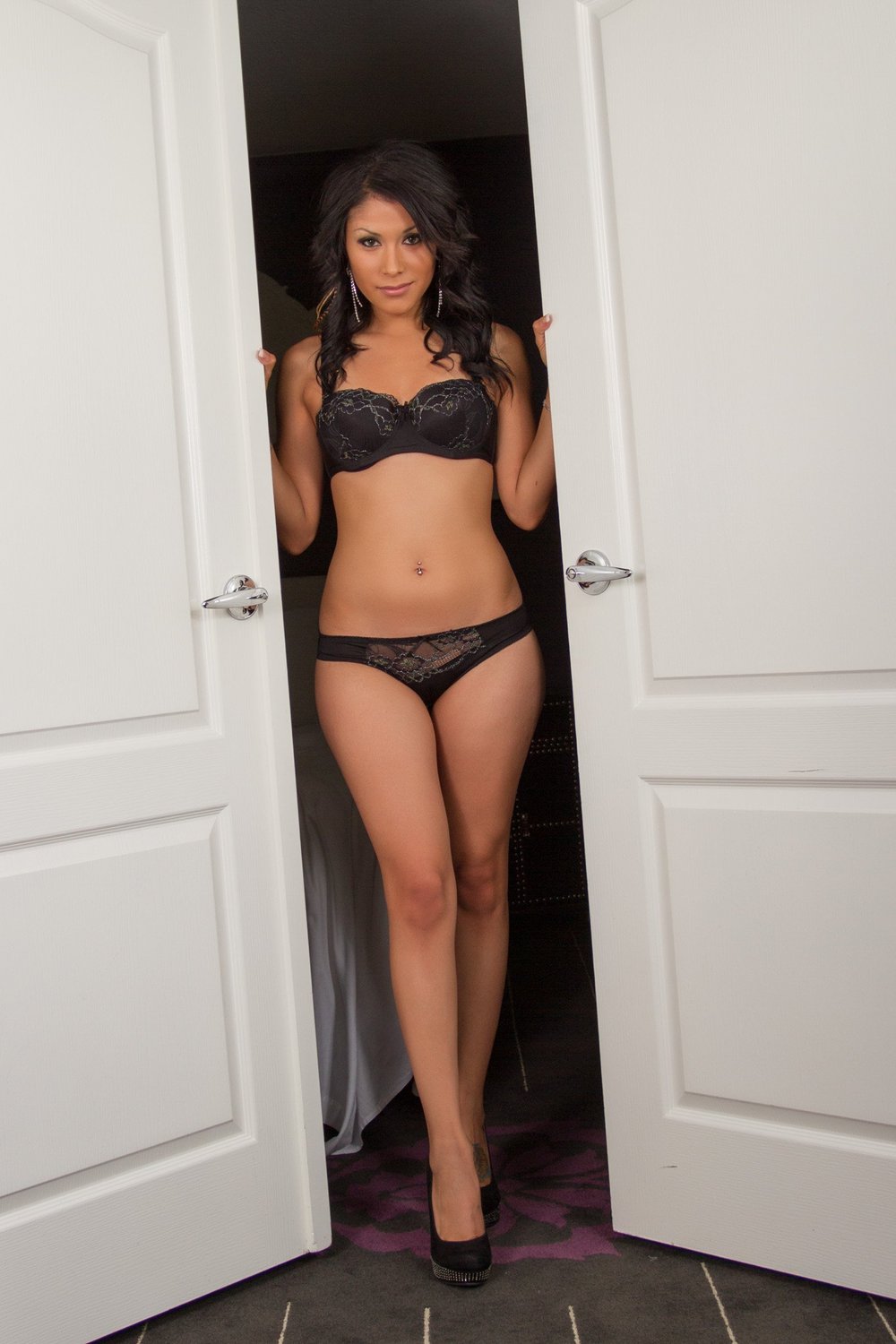
How the session is paced
We start with clear, simple poses
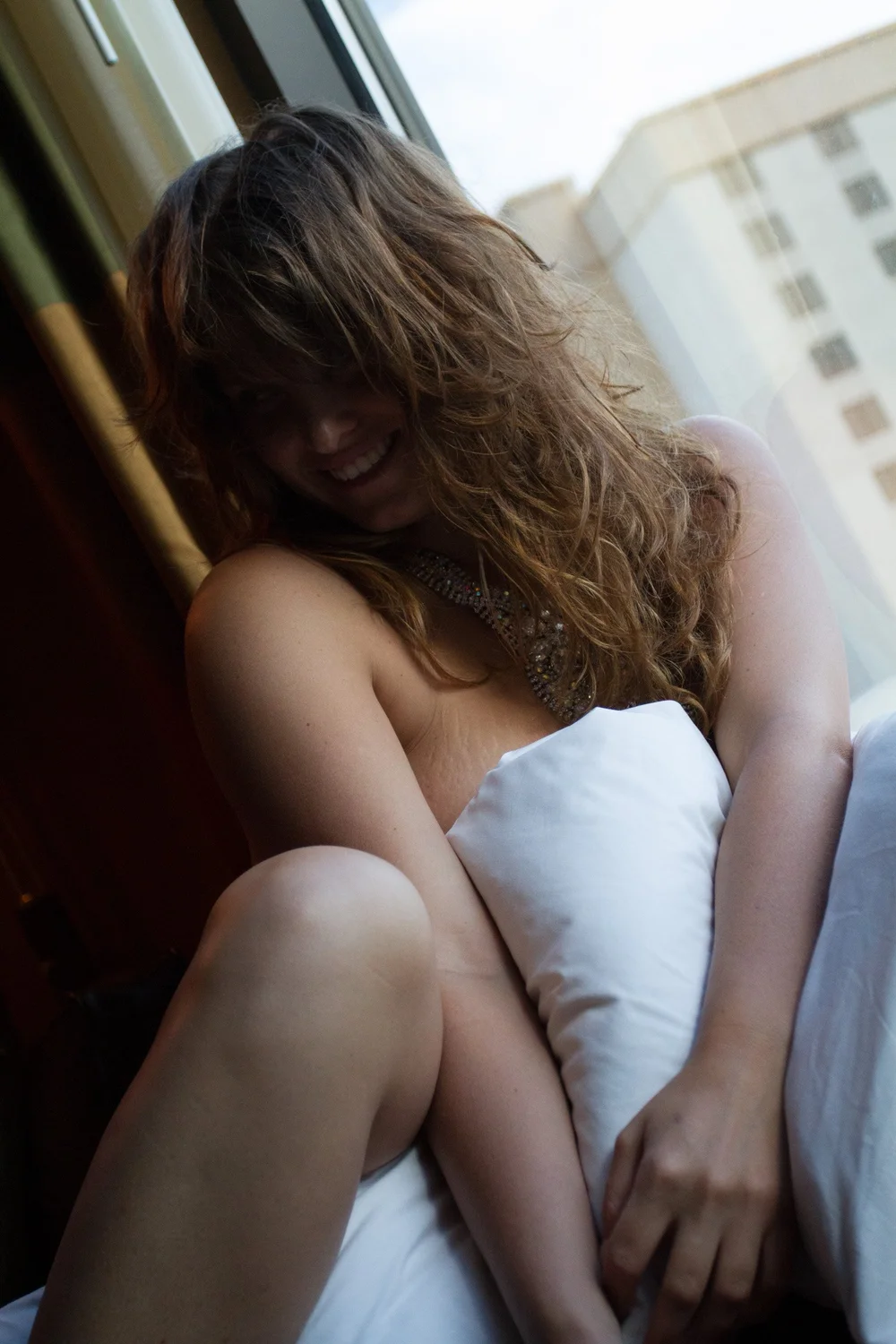
The first photographs are about finding the light and helping you get used to being directed. I may ask you to stand near a window, sit at the edge of a bed or chair, turn your shoulders, or take a slow breath. These small instructions give you something concrete to focus on.
We make one adjustment at a time
Good posing rarely requires a complicated full-body instruction. I build it in pieces: feet, hips, shoulders, hands, chin, and expression. If a position feels strained or unflattering, we change it. Comfort is visible in a photograph, and so is discomfort.
We leave room for breaks and changes
Wardrobe changes create natural pauses. You can also take a break whenever you need one, review the direction we are taking, or ask to move on from a setup. The plan is useful, but it does not outrank how you feel in the room.
We finish with the strongest ideas
By the later part of the session, most clients understand the rhythm and need less explanation. That is often when we revisit a favorite setup, try a bolder wardrobe choice, or make quieter close portraits. The progression should feel earned, not pushed.
Comfort, boundaries, and consent during the session
You remain in charge of how much you wear, which poses we try, and what parts of the session continue. I use verbal direction and demonstrate a movement when useful. If any hands-on adjustment would help with hair, wardrobe, or posing, I ask first. You can decline any suggestion without needing to explain why.
It is also completely fine to change your mind. Agreeing to an idea during planning does not mean you have to do it on the day. Likewise, trying one pose does not commit you to similar poses afterward. A comfortable boudoir experience depends on ongoing communication, not one blanket yes at the beginning.
If bringing a support person would help, ask about it while planning so expectations and the working space are clear before the session.
After your session
Your gallery should feel as private as the session
Finished boudoir photographs are delivered through a personal digital gallery. Treat the gallery link and any access credentials as private: use an email account you control, choose a strong unique password when that option is available, and avoid opening the gallery on a shared or public device.
Your photographs are not permission to publish themselves. Before booking, we can discuss whether any images may be shared in a portfolio or on social media. If you want the entire gallery kept private, say so plainly and have that preference recorded in your agreement.
Download your finished files to a device you control, then keep a second protected backup. If you are creating the session as a surprise gift, remember that shared photo libraries, cloud albums, browser histories, and device notifications can reveal images unintentionally.
Here is what you can count on: I deliver your finished photographs through a personal digital gallery, discuss publication separately, and record a fully private preference in the agreement when that is what you choose.
Boudoir session questions
Do I need to know how to pose?
No. I guide the session one adjustment at a time, including posture, hands, expression, and where to look. Your job is to communicate what feels comfortable.
Do I have to wear lingerie?
No. Bodysuits, robes, slips, oversized shirts, sweaters, jackets, and simple fitted pieces can all work. Coverage is your choice, and a strong portrait does not depend on showing more skin.
What if I feel nervous or awkward?
Expect a little nervousness at first. We begin slowly, use straightforward poses, and keep talking. Most of the awkward feeling fades once you know what the direction sounds like and how the session moves.
Can I say no to a pose?
Yes. You can decline, modify, or stop any pose or setup. You can also change your mind about an idea that sounded good during planning.
Will my boudoir photos be posted online?
Not without separate permission. If you want the full gallery kept private, I record that choice in your agreement before the shoot.
How should I prepare the day before?
Gather and steam your wardrobe, remove tags, pack accessories, and avoid trying unfamiliar beauty treatments at the last minute. Rest, hydrate normally, and arrive as yourself rather than trying to transform overnight.
A boudoir session should feel like a collaboration
The best boudoir photographs are not created by pushing through discomfort or copying someone else's poses. They come from a clear plan, thoughtful light, patient direction, and enough trust to say both yes and no honestly.
You can browse more of my work in the photography portfolio or learn about available options on the sessions page. When you are ready, tell me what you want the photographs to feel like and what would help you feel at ease. That is where the planning begins.